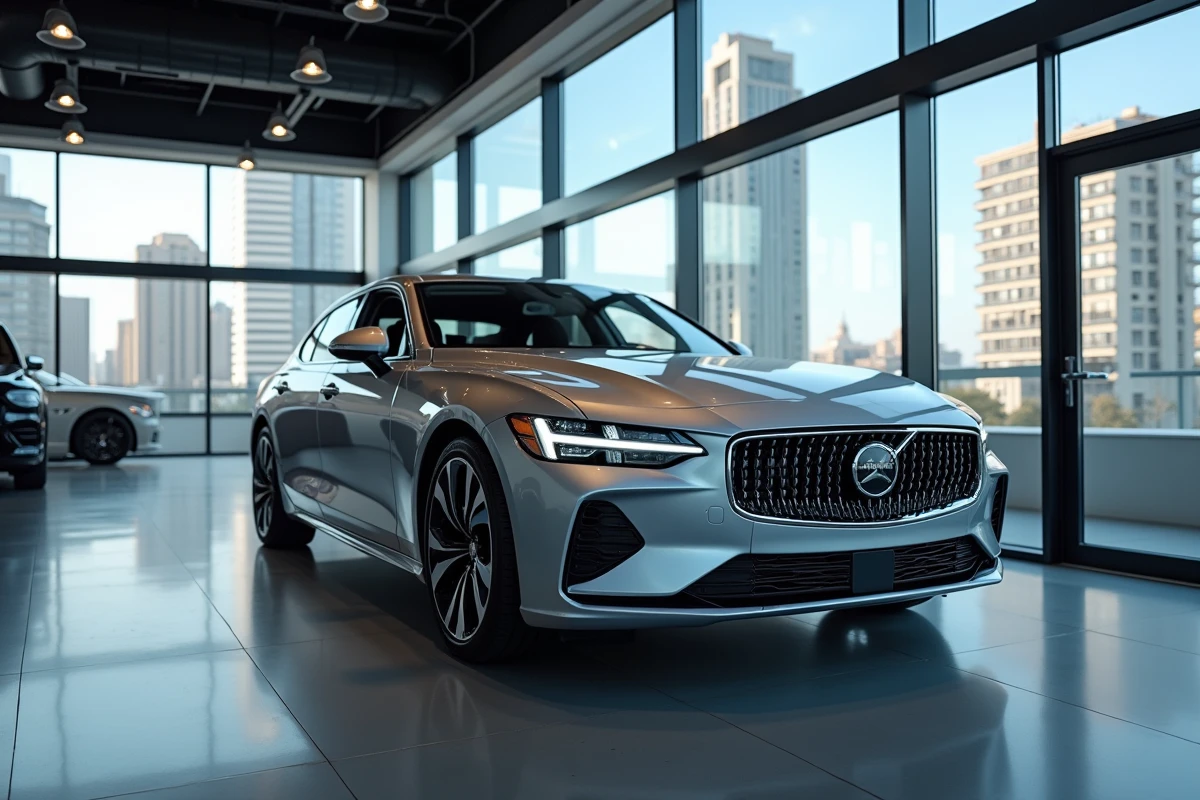
Buying a car often represents the second largest expense for a household, just after housing. The choice between new and used is not just about the price displayed on the label: insurance, maintenance, depreciation, and regulatory constraints weigh as heavily as the catalog price. Here’s how to guide your search according to your actual budget, taking into account the pitfalls that the purchase price alone does not reveal.
Total Cost of Ownership: The Real Price of a New or Used Car
Have you compared two ads, one for a new city car and the other for the same model that is three years old, thinking that the used option was necessarily more advantageous? The purchase price tells only part of the story.
The total cost of ownership (TCO) adds together the acquisition price, annual insurance, fuel or electricity, routine maintenance, and depreciation at resale. Leasing companies and specialized firms regularly publish TCO reports that sometimes show counterintuitive results. A recent used gasoline city car can end up cheaper per year than a new small electric car marketed as economical, once insurance premiums and potential battery costs are factored in.
Several European insurers indeed report a significant increase in premiums for certain recent electric or hybrid models. The reason: the cost of repairing electronic systems and high-voltage batteries remains high, which directly impacts the annual insurance bill.
To effectively compare market offers, you can access the car page of Car Only and filter by budget, engine type, or year of first registration.
Gasoline, Hybrid, or Electric Car: Which Engine Type According to Your Budget

The choice of engine type affects both the purchase price and expenses over time. Not all technologies are equal depending on the intended use.
Gasoline and Non-Rechargeable Hybrid
Simple gasoline models and non-rechargeable hybrids have shown, according to reliability data published by Consumer Reports, a marked increase in reliability in recent years. For a moderate budget, a recent non-rechargeable hybrid compact combines reduced fuel consumption and controlled maintenance costs.
A vehicle like a Renault Clio hybrid or a Toyota Yaris hybrid retains its value well at resale, which limits depreciation. This is a criterion to watch closely if you plan to sell your car after four or five years.
Electric: Beware of Hidden Costs
Inexpensive 100% electric city cars are appealing due to their low consumption per kilometer. However, several reliability sources report recurring issues with high-voltage batteries or fast charging after a few years on some entry-level models. Before buying a used electric vehicle, check the battery’s health status (the “State of Health”) and the remaining warranty coverage.
- Non-rechargeable hybrid: a good quality-price compromise for mixed city-highway trips, maintenance similar to a classic gasoline model.
- New electric: interesting if you drive a lot in the city and benefit from an ecological bonus, but the extra insurance cost can negate fuel savings.
- Recent used gasoline: remains the simplest choice for a small budget, provided you aim for a Crit’Air 1 model to avoid restrictions in urban areas.
Crit’Air Restrictions and ZFE: A Mandatory Filter Before Purchase
This point radically changes the game for buyers of low-priced used vehicles. Since the gradual implementation of Low Emission Zones (ZFE-m) in several French urban areas, cars classified as Crit’Air 4 and 5 are often banned or restricted in city centers.
Specifically, a diesel vehicle from before 2006 or a gasoline vehicle from before 2001 may prevent you from driving where you need it most. The very low purchase price of these older vehicles masks a major usage constraint.
Before signing, ask yourself: where will you be driving on a daily basis? If your route passes through a ZFE, aim for at least a Crit’Air 1 vehicle (gasoline from 2011 onwards, or hybrid/electric). This filter eliminates a good portion of the “good deals” listed for a few thousand euros, but it saves you from making an unusable purchase in the short term.

Depreciation and Resale: When to Buy to Lose the Least Money
Depreciation is the loss of value of a vehicle between its purchase and resale. For a new model, it is highest during the first two years. Buying a used vehicle that is two to three years old allows the first owner to absorb this initial loss.
Not all models depreciate at the same rate. Vehicles in high demand on the used market (some Japanese compacts, Toyota hybrids, light commercial vehicles) retain their value better. Conversely, models from premium brands lose a significant portion of their value as soon as they leave the dealership.
Here are the concrete criteria to check to limit depreciation:
- Annual mileage consistent with the vehicle category (a high-mileage city car loses more value than a highway model).
- Complete and traceable maintenance history, ideally within the manufacturer’s network.
- Common color and options: an unusual color or lack of air conditioning makes resale more difficult.
- Desired engine type: non-rechargeable hybrids currently resell better than diesels in urban areas.
The best quality-price ratio is often found in a used vehicle that is two to four years old, with moderate mileage and maintained service records. This buying window combines a reasonable acquisition price, reliability still covered by extended manufacturer warranties, and a gentler future depreciation.
Whether your budget leads you to new or used, the engine type and Crit’Air sticker now weigh as heavily as the catalog price. A well-calibrated purchase on these three axes—total price, suitable engine type, and anticipated resale—remains the best protection against unpleasant financial surprises.