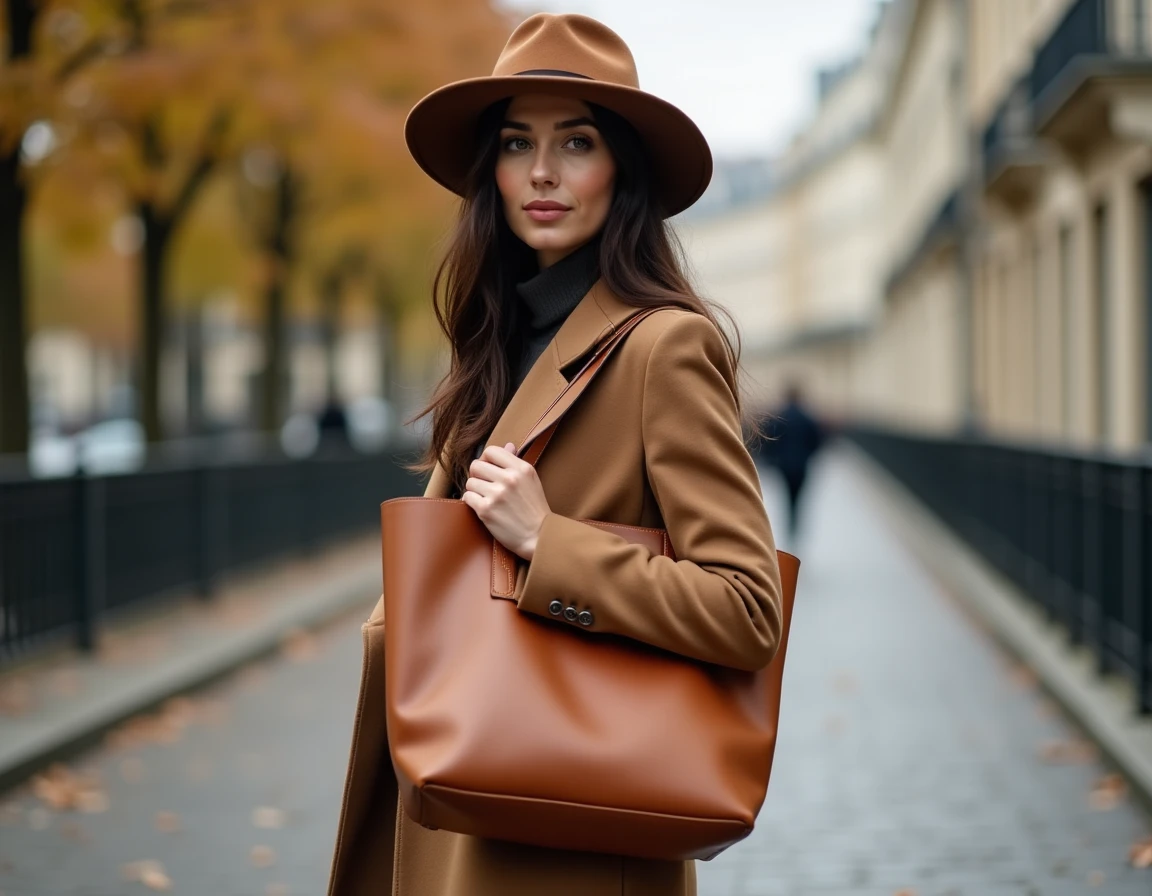
The fashion accessories market is undergoing a rapid restructuring. According to the report “The State of Fashion 2024” by McKinsey and Business of Fashion, the functional accessories segment is showing a faster growth than classic ready-to-wear. This dynamic is reshaping brand priorities and buyer expectations.
Traceability and eco-design: what is changing for accessories in 2024
The EU Strategy for sustainable and circular textiles, along with the future digital product passport, imposes a timeline on manufacturers. Accessories are at the forefront, as they are higher-margin items and easier to standardize than clothing.
Several luxury and premium players are already testing, for 2024-2025, digital identity cards on bags and small leather goods. A QR code or an integrated NFC chip provides access to the origin of materials, care instructions, and repair options. This system has no widespread equivalent in ready-to-wear.
Meanwhile, the Edited agency observes a marked increase in the supply of accessories made from so-called responsible materials: alternative leathers, recycled nylon, bio-acetate for eyewear frames. The major clothing categories are much slower to integrate these alternatives. For consumers, this means that a bag or belt purchased in 2024 is more likely to have verifiable traceability than a coat or dress.
Field reports diverge on one point: the actual durability of these alternative materials compared to traditional leather or classic acetate. Brands communicate about the reduced carbon footprint in production, but data on longevity in use remains patchy.
Hands-free functional accessories: why this format dominates 2024 trends
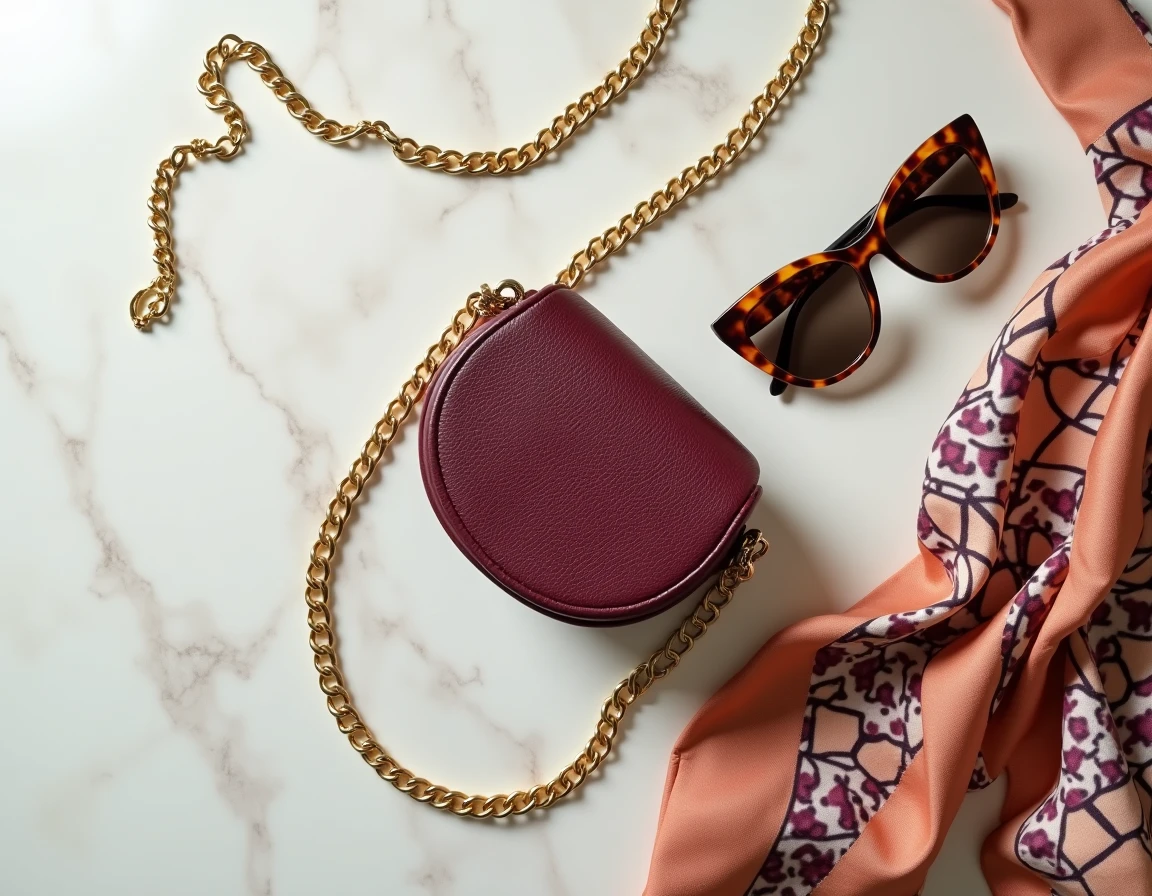
Belt bags, crossbody micro-bags, phone straps: hands-free formats are no longer confined to streetwear looks. McKinsey identifies this segment as one of the few growing faster than the rest of the fashion market, driven by the search for practicality in urban commuting and travel.
Several reasons explain this acceleration. Daily uses (contactless payment, transport tickets on smartphones) make the phone omnipresent, and accessories adapt by offering formats designed around the phone rather than around the wallet. A varied selection of these formats is available on the Mlle.fr website to explore to find pieces that match these uses.
The crossbody micro-bag serves two functions: it frees the hands and visually structures a simple outfit (jeans, t-shirt). It is an accessible style lever that does not require rethinking the entire wardrobe.
Customizable accessories: monogram, interchangeable strap
Circana’s studies on the “luxury accessories” segment highlight another structuring trend: customizable accessories are gaining ground over fixed models. Monograms, choice of strap, color combinations on the same bag—these options transform a standardized product into a unique piece.
This customization logic meets two simultaneous expectations: to stand out visually and to extend the perceived lifespan of the accessory (a bag with a strap changed each season looks new longer).
Materials and colors: what the spring-summer 2024 shows translate into stores
The spring-summer 2024 collections, presented in September and October 2023, showcased saturated palettes and textures that contrast with the minimalism of previous seasons. Here are the most visible directions in stores:
- Bright colors worn in blocks on a single accessory (red bag, yellow belt) to anchor a neutral outfit. Color-blocking through accessories replaces the total colored look, which is riskier to adopt daily.
- Alternative materials to leather (mushroom, cactus, grape) appear in mid-range price ranges, not just in the luxury segment. The progression is particularly visible in bags, belts, and sunglasses.
- Bio-acetate for sunglasses frames, presented as more stable than classic petrochemical acetate, is gaining references among opticians and specialized e-shops.
The available data does not allow for a conclusion on the actual market share of these alternative materials compared to conventional materials. Their media visibility likely exceeds their actual commercial weight in 2024.
Women’s fashion accessories: the pieces that structure a capsule style
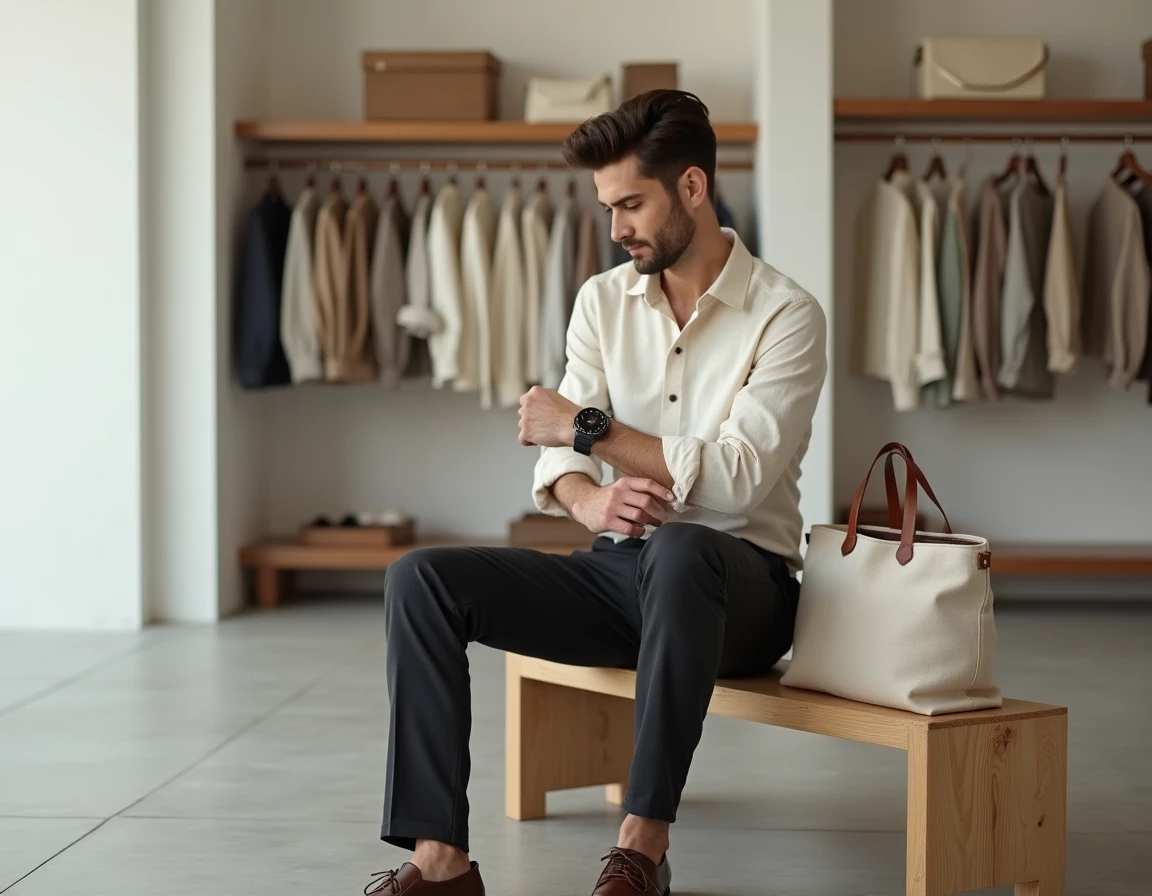
The capsule approach (reduced wardrobe, combinable pieces) places accessories at the center of the game. With a limited number of clothes, they create the variation from day to day.
Three categories of accessories fulfill this role better than others:
- Volume jewelry (wide earrings, layered necklaces) that alters the perception of an outfit without adding a clothing layer.
- Modular format bags (removable strap, detachable inner pouch), which adapt to multiple contexts with a single purchase.
- Structuring belts worn over fluid pieces (dress, oversized blazer), which redefine the silhouette without changing clothes.
The idea is not to accumulate accessories but to select those that multiply the possible combinations from a restricted wardrobe. A well-chosen accessory replaces the purchase of an additional garment, which aligns with the slower consumption logic that European regulations seek to encourage.
The 2024 accessory trends read less like a list of products to acquire and more like a shift in value. Materials are becoming traceable, formats are adapting to digital uses, and customization is gradually replacing seasonal renewal. This movement remains uneven across price ranges, and the actual transparency of supply chains remains to be confirmed in the coming seasons.