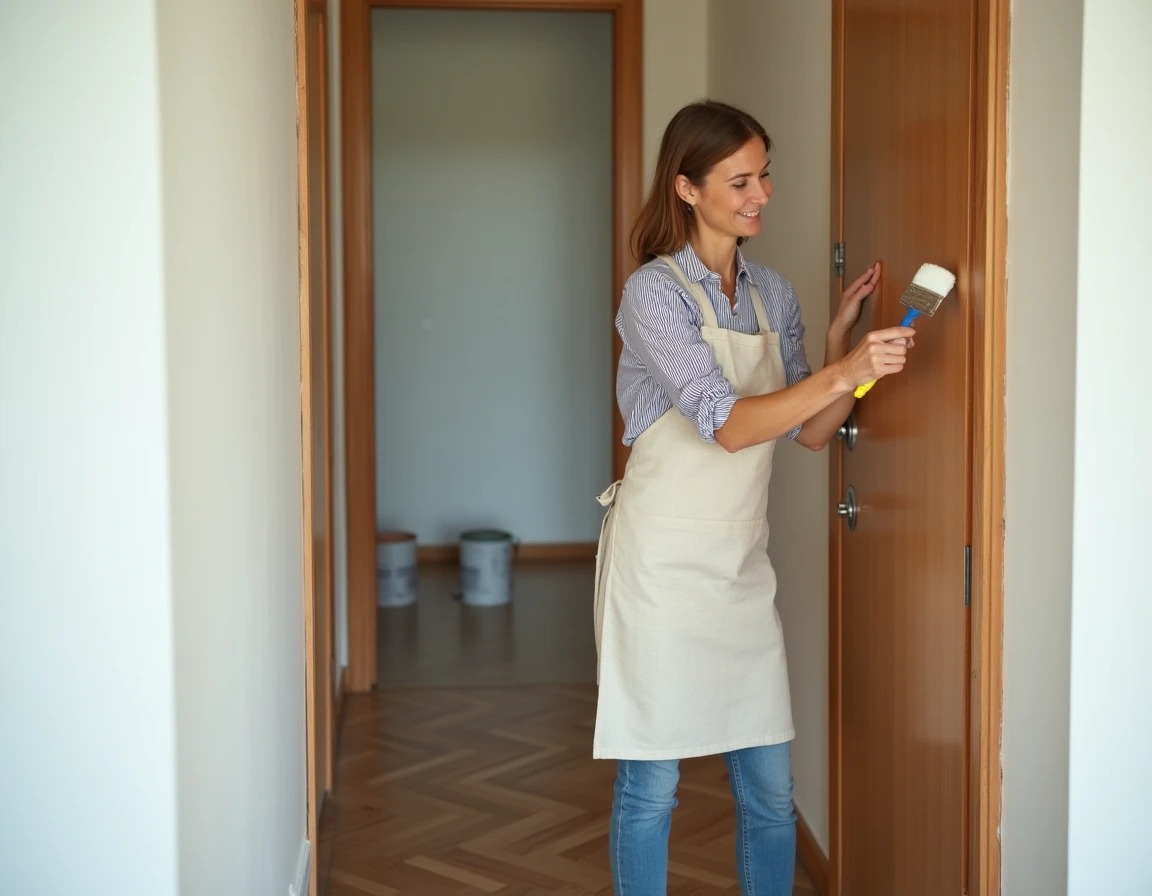
A dripping faucet, a room too dark in winter, a feeling of stale air upon waking: these daily micro-irritants eventually weigh on comfort and health. Improving your home doesn’t always require major renovation work. A few targeted interventions, chosen based on their real impact, can transform an ordinary dwelling into a healthier and more pleasant living space.
Indoor air quality: the primary health lever of your home
Have you ever noticed a persistent smell after laying new flooring or repainting a wall? These are volatile organic compounds (VOCs) released into the air. Since January 1, 2012, new construction and decoration products sold in France must display a volatile pollutant emission label, graded from A+ (very low emissions) to C (high emissions).
This label changes the game when choosing paint, laminate flooring, or insulation. Systematically prioritizing A+ rated products reduces pollutant load without additional effort. The action may seem trivial, but when accumulated across all materials in a room, it significantly alters the air quality you breathe every night.
Ventilation remains an essential complement. Opening windows for ten minutes a day, even in winter, renews the air without permanently cooling the walls. If your home has a mechanical ventilation system (VMC), check that the extraction vents are not blocked by dust. A clogged VMC loses most of its airflow, which amounts to not ventilating at all.
Online resources like conseil-en-habitat.fr detail the criteria for choosing materials and maintenance habits suited to each type of housing.
Natural light and interior design: gaining comfort without major renovations
Natural light directly affects mood, sleep, and the sense of space. Before drilling an opening or installing a skylight, a few simple adjustments can already make a real difference.
- Clear the area around windows: a tall piece of furniture placed in front of a bay window can block up to a third of the light flow. Moving it back by fifty centimeters is enough to brighten the entire back of the room.
- Choose light shades for walls near openings: a white or light beige wall reflects light, while a dark wall absorbs it and darkens the room by midday.
- Install a mirror facing the main window: the reflective effect doubles the perceived light depth, especially in long rooms oriented north.
Reorganizing a room around its light sources costs zero euros and radically changes the atmosphere. This is the first reflex to adopt before considering heavier renovations.
Adapting artificial lighting to the rhythm of the day
A single ceiling light emits flat light that strains the eyes in the evening. Multiplying light sources (reading lamp, wall sconce, accent string lights) allows for creating zones based on activity. Indirect lighting in the evening prepares the body for sleep much better than a kitchen neon left on in the hallway.
Regular maintenance and small daily improvement gestures
Major renovation projects attract attention, but it is regular habits that keep a home functional over time. Why this choice? Because a silicone seal replaced in time prevents leaks, and a cleaned gutter in autumn protects the facade throughout the rainy season.
Prioritizing maintenance based on impact
Not everything deserves the same level of attention. Three areas concentrate the majority of avoidable damage in a home:
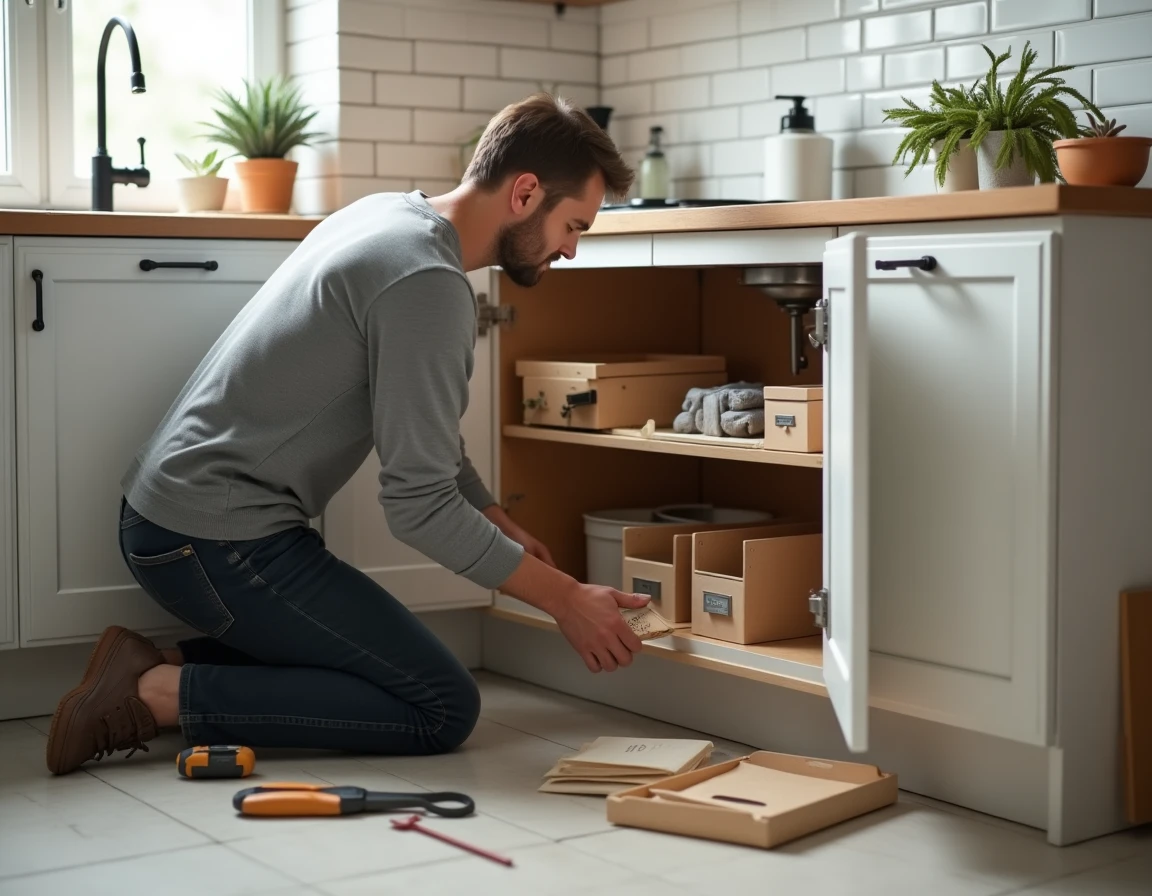
- Plumbing fixtures: a faucet washer costs a few cents and can be replaced in five minutes. A leaking faucet wastes dozens of liters per day.
- Seals (shower, bathtub, windows): their condition should be visually checked once a year. A blackened or detached seal allows moisture to pass through and promotes mold.
- Filters (hood, VMC, air conditioning): a clogged filter reduces the efficiency of the device and degrades air quality. Cleaning or replacing it rarely takes more than ten minutes.
These interventions require no special skills. A screwdriver, a cartridge of silicone, and a microfiber cloth cover most cases.

Reducing environmental footprint without disrupting habits
Housing accounts for about 20% of greenhouse gas emissions in France. This proportion serves as a reminder that every choice of material or domestic consumption weighs in the overall balance.
Replacing an old thermostat with a programmable model adjusts heating to actual presence times. Lowering the setpoint by one degree significantly reduces heating bills. For hot water, an aerator screwed onto the faucet decreases flow without altering washing comfort.
These micro-investments pay off within a few months. They do not replace complete insulation or a boiler change, but they represent a measurable first step.
Adapting your home to evolving needs
A high-performing home today can become unsuitable in five years if the household composition changes. The ANIL emphasizes that adapting housing for aging aims to maintain autonomy and quality of life at home, and that this reflection should be anticipated well before mobility loss occurs.
Installing a grab bar in the shower, replacing a bathtub with a low-threshold shower tray, or installing lever door handles: these modifications benefit all occupants, not just the elderly. A parent carrying a child appreciates an easy-to-open door just as much as a person with reduced mobility.
Thinking of your home as an evolving framework, rather than a fixed one, avoids costly emergency renovations. A corridor wide enough for a walker is also wide enough for a double stroller. The comfort gain is immediate, and the financial gain is measurable over the lifespan of the home.