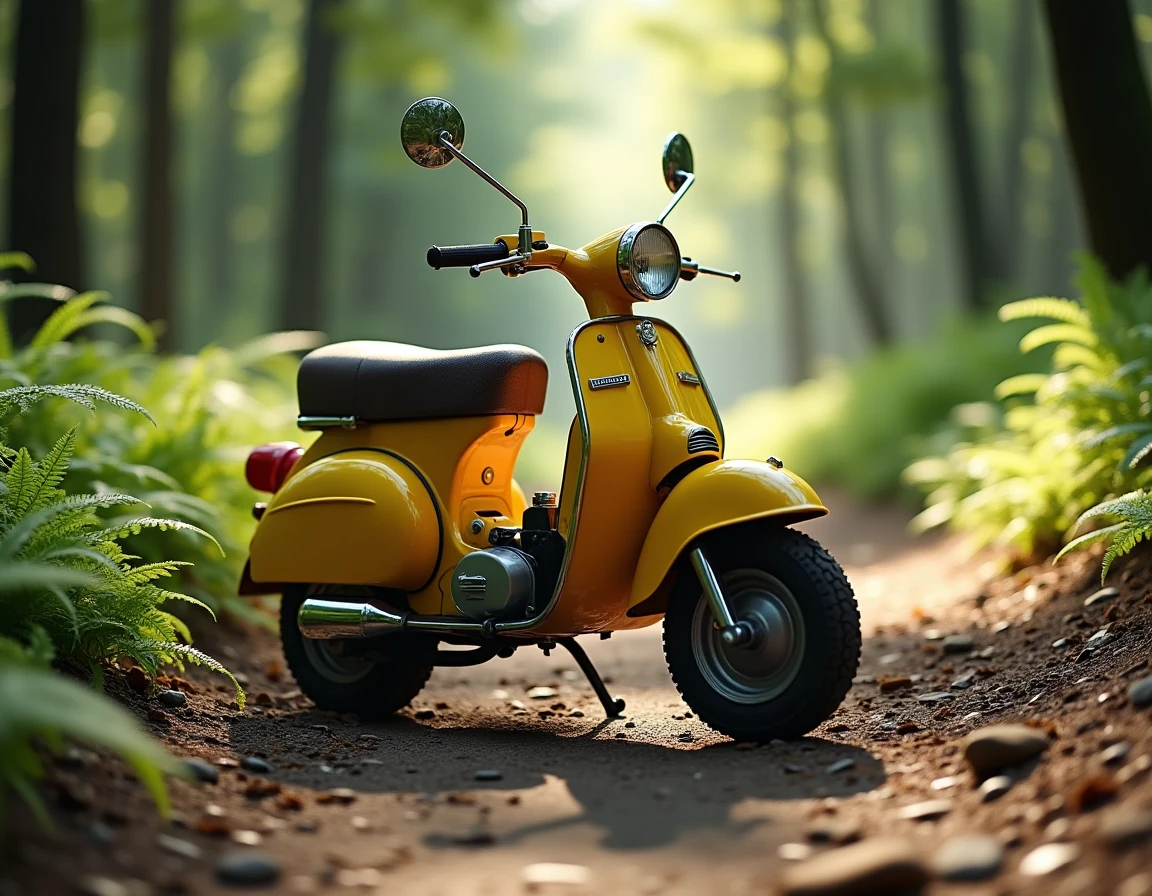
The Yamaha Chappy and the Honda Dax both belong to the mini-moto category, these compact two-wheelers originally designed for short trips and urban or suburban rides. Comparing these two machines involves distinguishing two very different realities: one is a collector’s model absent from new catalogs, while the other benefits from contemporary production with active manufacturer support.
Homologation and spare parts: the real divide between Chappy and Dax
Before discussing the engine or comfort, the first question to consider is the administrative and mechanical viability of each machine. The Yamaha Chappy has not been produced for a long time. The available examples circulate in the second-hand market, often with a vague history and undocumented modifications.
Finding original spare parts for a Chappy is like an obstacle course. Enthusiast forums and a few specialized dealers offer components, but without guarantees of compatibility or regular stock. Administrative compliance (registration, technical inspection if applicable) can also pose problems for older models that have undergone modifications.
The Honda Dax ST125, on the other hand, is still part of Honda’s miniMOTO range. This means a network of dealers capable of providing parts and maintenance, up-to-date homologation, and a manufacturer’s warranty on new models. For someone looking for a mini-moto intended for regular riding, and not just to be displayed in a garage, the availability of the Honda network radically changes the equation.
Those who hesitate between these two machines will find a complementary analysis on the Chappy 125 or the Dax on EpicBuzz, which details the budgetary aspects of each option.
Engine and road behavior of the Dax 125 compared to the Chappy
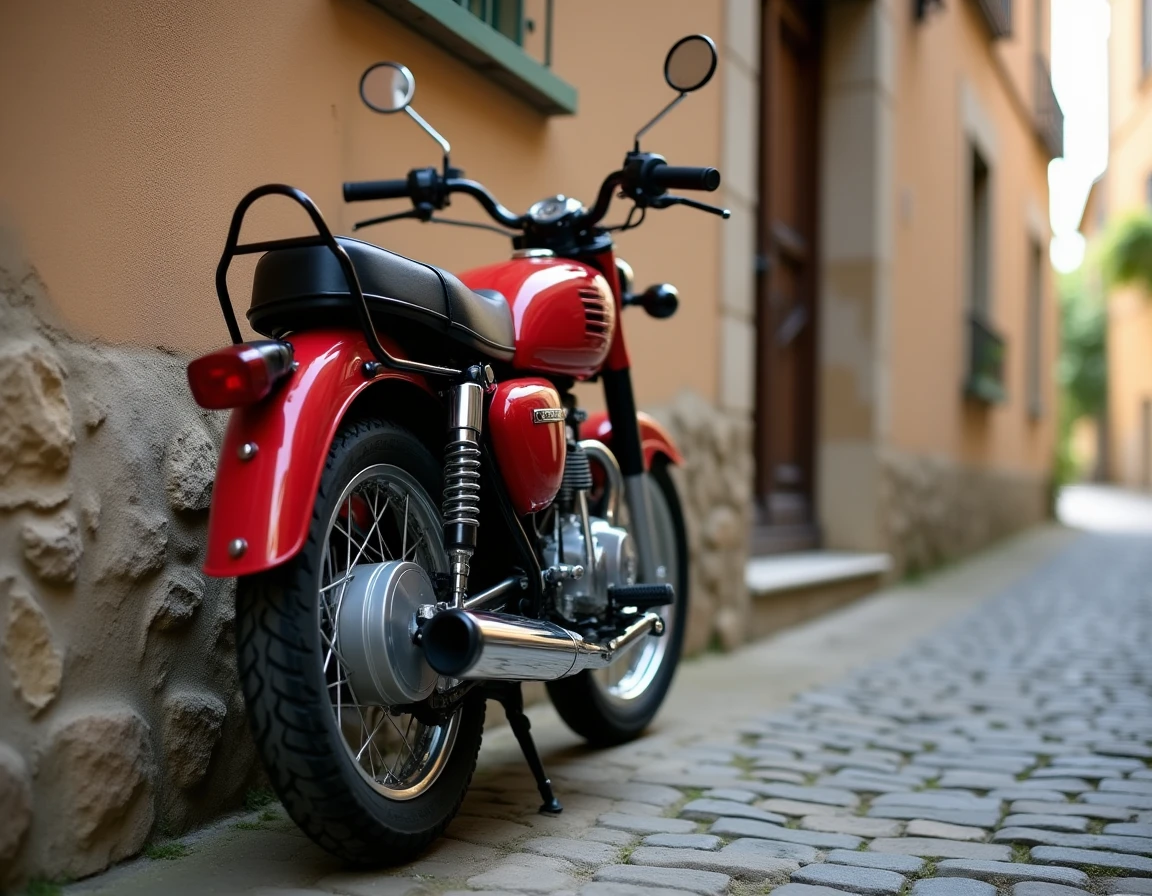
The vintage Chappy was equipped with a small two-stroke engine (on the most common versions). This type of engine offers a lively response at low revs, a characteristic sound, and simplicity of design. In return, emissions and fuel consumption are less controlled than with a modern four-stroke.
The current Dax 125 uses a four-stroke single-cylinder engine powered by electronic injection. The difference is noticeable in daily use: reliable starting, reduced consumption, and less frequent maintenance. Honda positions this engine with an urban reliability logic, not for sporty performance.
Handling and size
Both machines share a compact size with small diameter wheels. The Dax features the characteristic T-frame of older Honda models, with geometry designed for maneuverability in the city. The Chappy, more rustic in its design, offers a compact riding position that suits smaller riders.
- The Dax has suspensions calibrated for mixed city/road use, with enough travel to absorb the imperfections of urban asphalt
- The Chappy, depending on the condition of the example, may require a complete overhaul of the shocks and brakes to provide an acceptable level of safety
- Both machines remain unsuitable for long highway trips, their top speed limiting them to secondary roads and urban areas
Chappy 125: collector’s bike or daily ride
The Chappy attracts a specific audience: fans of vintage mechanics, collectors of vintage mini-motos, and those looking for an aesthetic that is unavailable on recent models. This positioning has a direct consequence on price. A Chappy in good original condition can sometimes sell for more than a new Dax, simply because well-preserved examples are becoming rare.
Riding a Chappy daily means accepting several constraints. The search for parts takes time. Each mechanical intervention requires either personal skills or a mechanic experienced with older machines. The absence of modern technology (no ABS, no injection, no LED lighting) also limits comfort and safety in current traffic.
Real budget of a mini-moto: purchase, maintenance, and resale
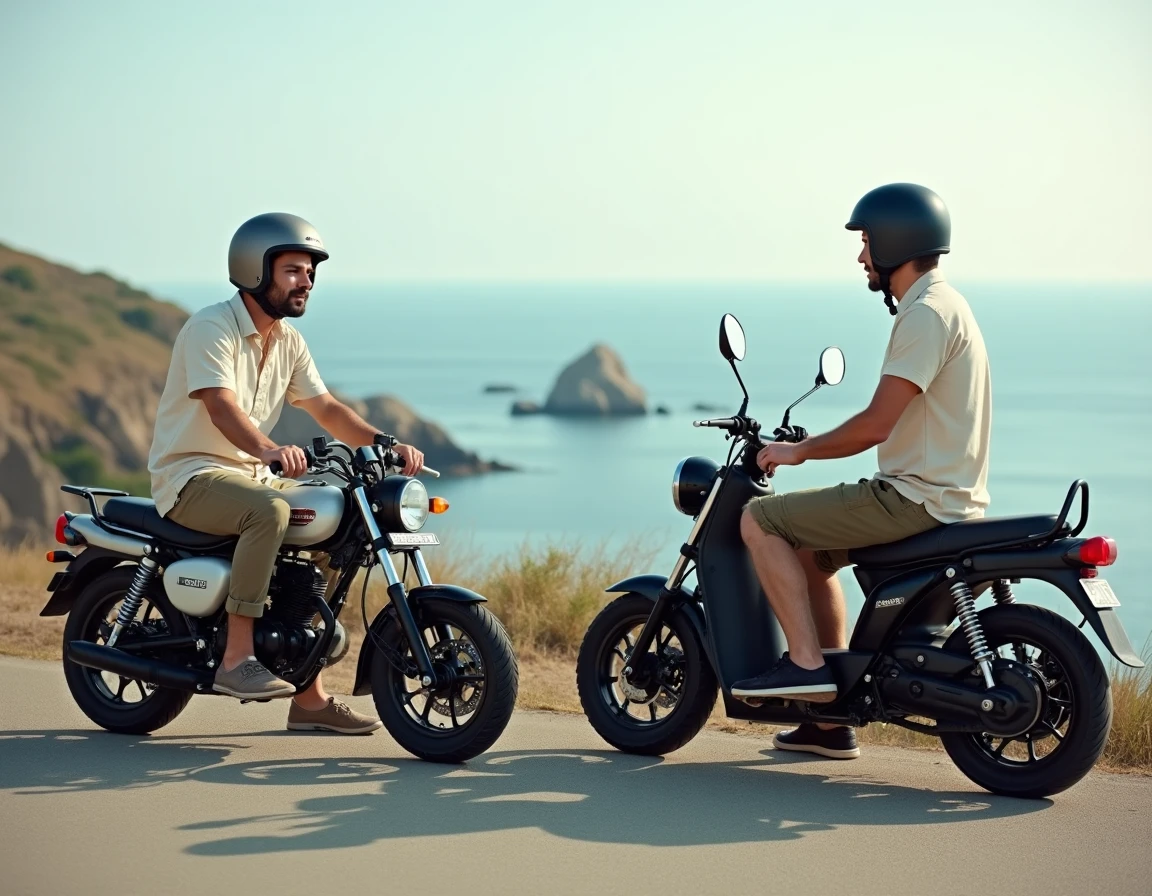
The purchase price represents only part of the budget. For a new Dax, maintenance costs are predictable: regular oil changes, standard consumables available at dealerships, manufacturer warranty. Depreciation remains moderate for this type of machine, as demand for Honda miniMOTOs remains strong.
For a second-hand Chappy, the budget becomes unpredictable. A missing part can immobilize the machine for weeks. Restoring a neglected example (engine refurbishment, gasket replacement, electrical wiring) can represent a significant investment.
- Insurance and registration: the Dax 125 benefits from standard rates for a recent 125 cc, while the Chappy may require collector’s insurance depending on the model year
- The resale of a well-restored Chappy remains favorable due to its collector’s value, but the pool of potential buyers is limited
- The Dax appeals to a broader audience, from young A1 license holders to urban dwellers looking for a second compact vehicle
What type of rider for each machine
The Dax is suitable for regular use without mechanical concerns. The Chappy is aimed at those who consider maintenance part of the pleasure and who accept the unpredictability of an older bike.
The choice between these two mini-motos depends less on a cold technical comparison than on a personal relationship with mechanics. The Dax rides, the Chappy is earned, and both provide a riding pleasure that conventional motorcycles struggle to replicate over short urban distances.