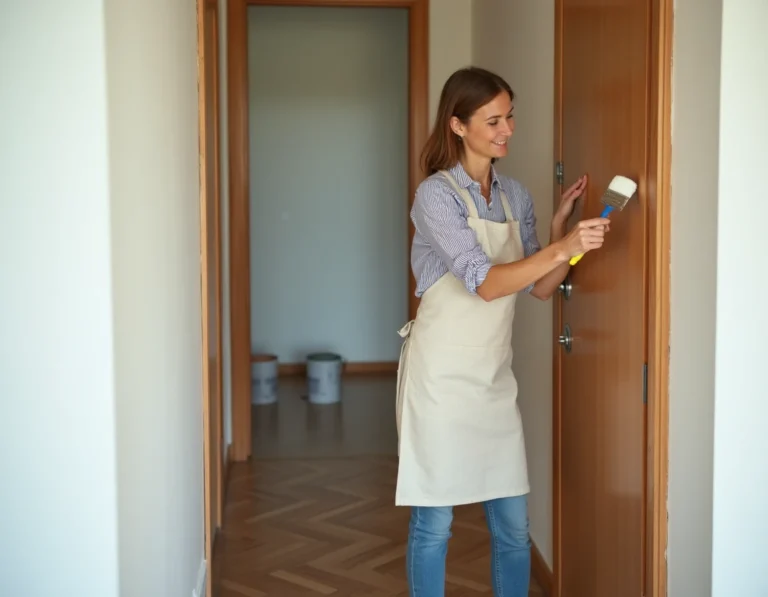
A stubborn bolt can sometimes reveal the weaknesses of an entire system. The key turns, but nothing moves: the mechanism persists, leaving the user helpless in front of a suddenly silent door. Some locks easily yield to trickery, while others offer unexpected resistance, each model revealing its secrets through manipulation and attempts to unlock.
Often, a few simple tools are enough to get out of a jam, provided one knows how to use them. Improvising or forcing without discernment can turn a minor incident into a real headache, damaging the wood or rendering the lock unusable. Identifying the exact nature of the blockage gives you the best chance for a clean, quick intervention without regrets.
Why does a door get stuck? Understanding the causes before acting
Behind every recalcitrant door, there is a bolt that no longer responds. This metal piece, slipped into the strike plate, activates the locking mechanism. However, the lock, subjected to the test of time, eventually suffers from wear, dust, and humidity. The wood deforms, the metal contracts or expands, and every particle embeds itself where it shouldn’t.
A twisted, overly worn, or simply ill-fitting key can worsen the situation. If it forces into the cylinder, the risk of breakage or twisting of the components becomes real. On older interior doors, this scenario is not uncommon: dust slows the movement of the bolt, and the whole mechanism eventually gets stuck.
To choose the right method, you must first pinpoint the source of the malfunction: humidity, damaged key, mechanism too dry, dust, or broken part. Observe, listen to the alignment of the metal, feel the play of the door. These details guide you toward the most suitable solution, and sometimes toward reading specialized guides, like how to block the bolt of the lock.
Clever techniques and tools to free a bolt without damage
When the blockage sets in, haste is your worst advisor: it’s better to choose your tools carefully and prefer flexibility over force. A few drops of lock lubricant, applied in the cylinder, can gently unstick a jammed bolt while respecting the mechanism.
With certain models, a stiff card like a loyalty card or X-ray, slipped between the bolt and the door frame, can push back the latch just long enough to open the door. This little trick works on many spring locks commonly found on bedroom or office doors. However, be careful of breakage: forcing too much risks complicating the situation.
If the key remains inserted, do not attempt to turn it at all costs. A sudden move could break the key inside the cylinder. In case of a broken key or a resolutely stuck mechanism, a set of flat screwdrivers allows you to disassemble the handle, giving access to the heart of the lock and, sometimes, to the stuck bolt.
For this type of troubleshooting, it is useful to rely on a selection of effective tools:
- Special lock lubricant: facilitates the movement of moving parts.
- Stiff card: to be preferred for spring or latch locks.
- Flat screwdriver: handy for the controlled removal of the handle or mechanism.
Keep your hand light and stay methodical. Always prioritize a gradual and attentive approach, avoiding hasty actions to preserve the integrity of the lock and extend the life of the bolt.
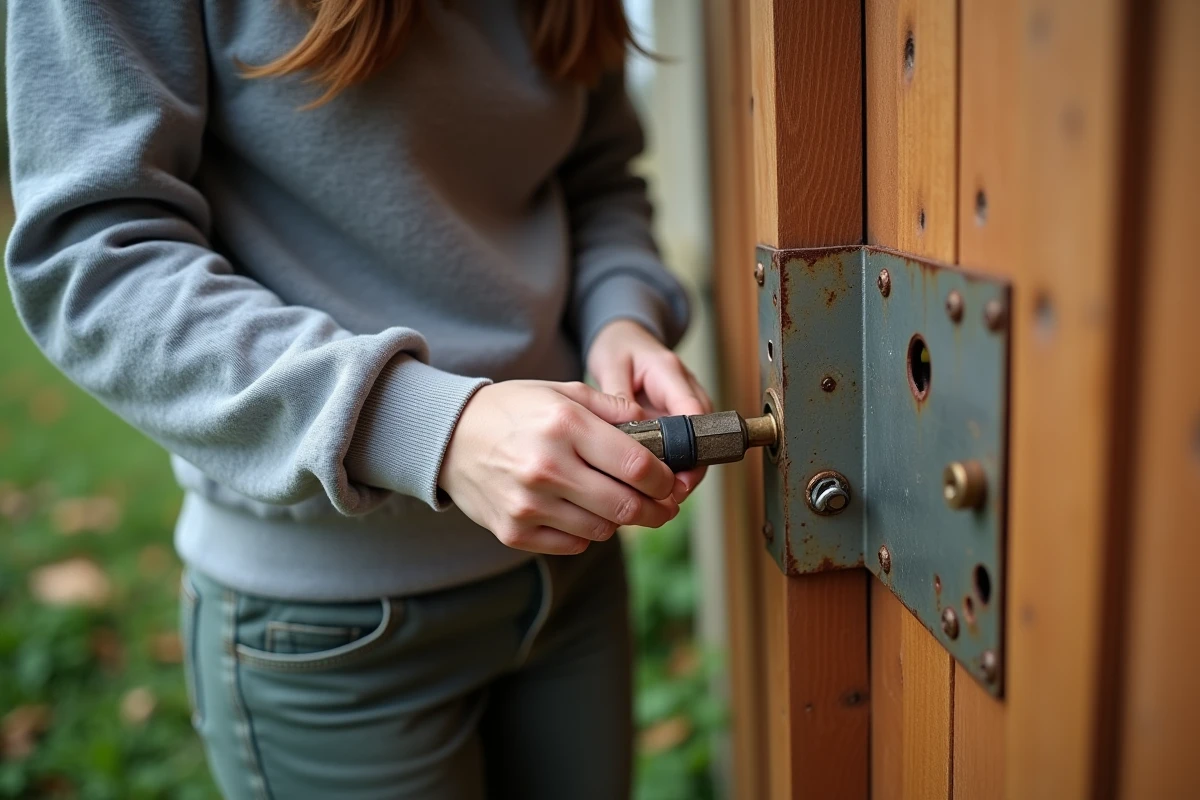
Prevention: equip, maintain, and monitor to limit blockages
Good equipment makes a difference. Opt for a certified and robust lock. Quality models withstand wear and the whims of time better. A twisted or worn key will sooner or later cause incidents: as soon as the first signs of weakness appear, it should be replaced without delay.
Regular maintenance plays a crucial role. It limits the clogging of the lock and protects its mechanism from humidity. A specific lubricant, well-dosed once or twice a year, keeps everything responsive and fluid without the risk of gumming up the parts.
It’s in simple habits that we find the champions of prevention:
- Regularly check your keys: the slightest deformation should raise alarms.
- Apply an appropriate lubricant in the lock at regular intervals.
- Clear the entrance of the cylinder from any dust or residue before it obstructs the bolt.
For those looking to enhance security, installing multipoint locks is a proven solution. Of course, it’s better to choose a model suited to the type of door. If blockages persist despite these measures, consult an experienced professional: they will identify the anomaly promptly, avoiding risky interventions or unexpected costs.
When a door refuses to open, remember that no lock can withstand a precise diagnosis and the right method: it’s often the small detail noticed at the right moment that makes all the difference.