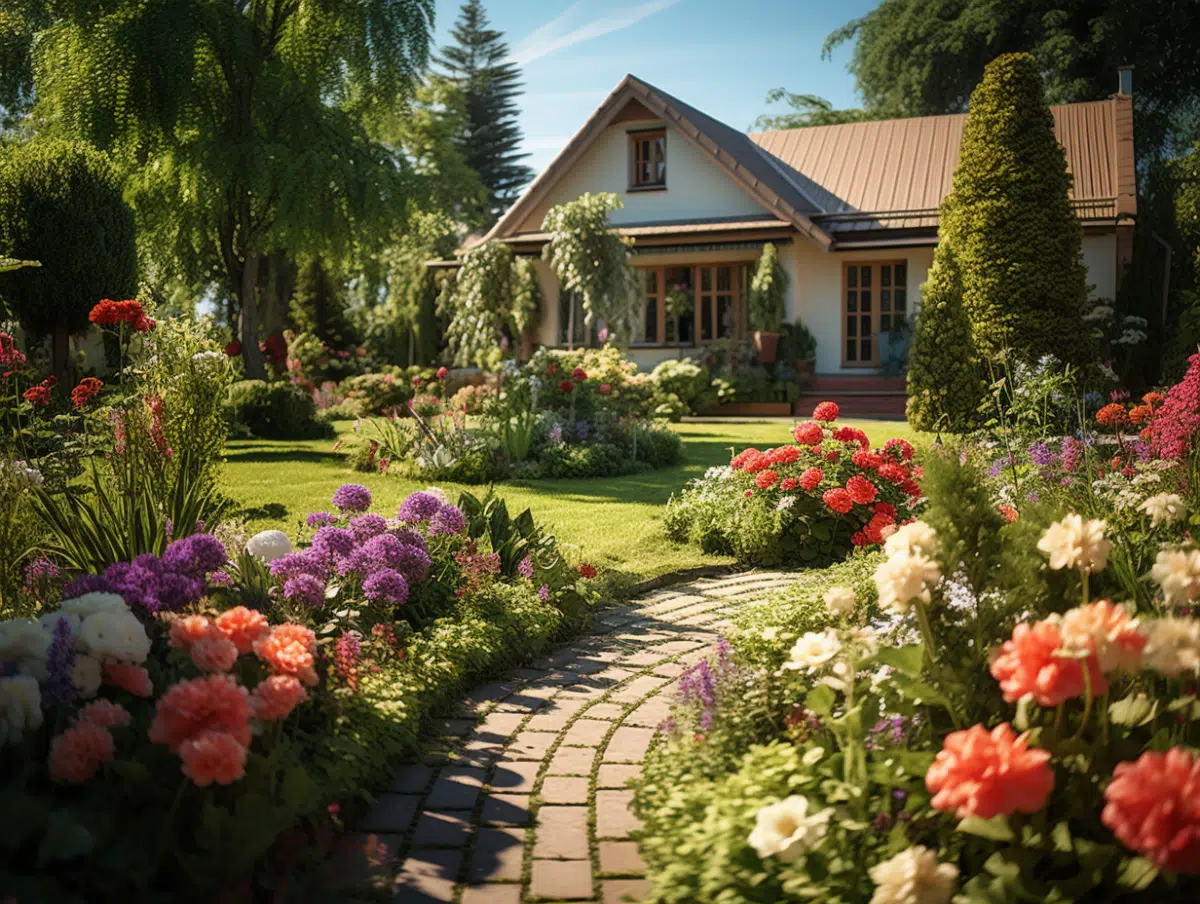
The layout of a garden combines both aesthetics and functionality, thus reflecting the aspirations and lifestyle of each gardener. Whether you have a small urban balcony or a vast expanse of greenery, the goal remains the same: to create a space where nature and practicality coexist harmoniously. To achieve this, one must consider the arrangement of plants, the choice of materials, space management, and the integration of practical elements such as furniture or irrigation systems. Ingenious tips can transform even the most modest garden into a functional and attractive haven.
Space Optimization and Garden Functionality
In the quest for a balance between beauty and practicality, discover how to create a functional and aesthetic garden, a true living space. The outdoor area, whether it is a garden, terrace, or balcony, is the natural extension of the home. To design it, follow practical advice that encompasses not only aesthetics but also the style of layout, the work to be done, the furniture to choose, and the organization of the space.
Creating social zones is essential in the design of your outdoor space. A garden lounge and pool invite relaxation and shared moments. Think about integrating these spaces in a way that optimizes the available area without cluttering or obstructing circulation. The layout of stairs, paths, or walkways promotes smooth circulation, which is essential for accessibility and safety within the garden.
Organization is fundamental for a successful layout. It involves delineating areas according to their use: a shaded dining area, a play space clearly visible from the house, a sunny vegetable garden, or a secluded relaxation area. Each zone should be designed based on its intended use so that the garden is both practical and welcoming.
The beauty of a garden is preserved over time. Regular maintenance is necessary to maintain both the beauty and functionality of the outdoor space. This involves periodic cleaning, pruning plants, maintaining furniture, and monitoring installations such as lighting or irrigation systems. This maintenance helps keep a garden attractive, where each element remains in its place and fulfills its function, year after year.
Aesthetic Choices and Landscape Integration for a Harmonious Garden
Consider harmony as a guiding principle in creating a garden. The choice of materials and plants should not only meet aesthetic criteria but also adapt to the region’s climate. Selecting climate-appropriate materials promotes durability and natural integration into the surrounding landscape.
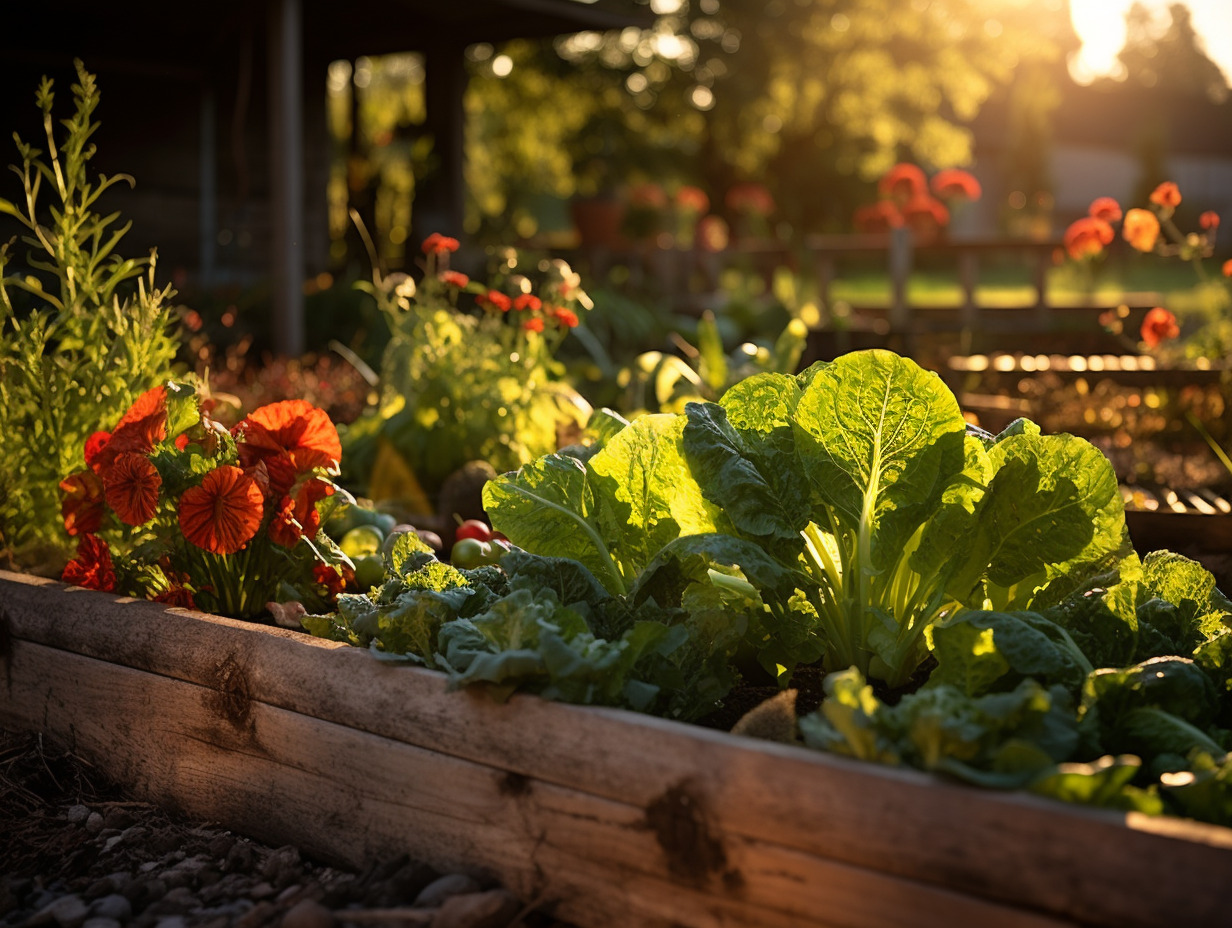
The appropriate vegetation plays a major role in the aesthetics of the landscaped garden. From aromatic plants to flowering shrubs, each species should be chosen based on its ability to thrive in the local climate. This ensures not only a lush garden but also easier maintenance, as the plants are naturally predisposed to withstand specific climatic conditions.
Beyond vegetation, constructing an aesthetic shelter such as a pergola can become the focal point of your garden. It provides a shaded area, enhances the conviviality of your outdoor space, and offers a structure around which the landscaping can revolve, thus creating a true outdoor room.
Remember that social spaces are the heart of a warm outdoor area. They invite relaxation and gathering, reflecting the spirit of the place. For these spaces to integrate harmoniously, ensure they are surrounded by vegetation or decorative structures that embrace their shapes and functions, while making them welcoming and integrated into the rest of the garden.