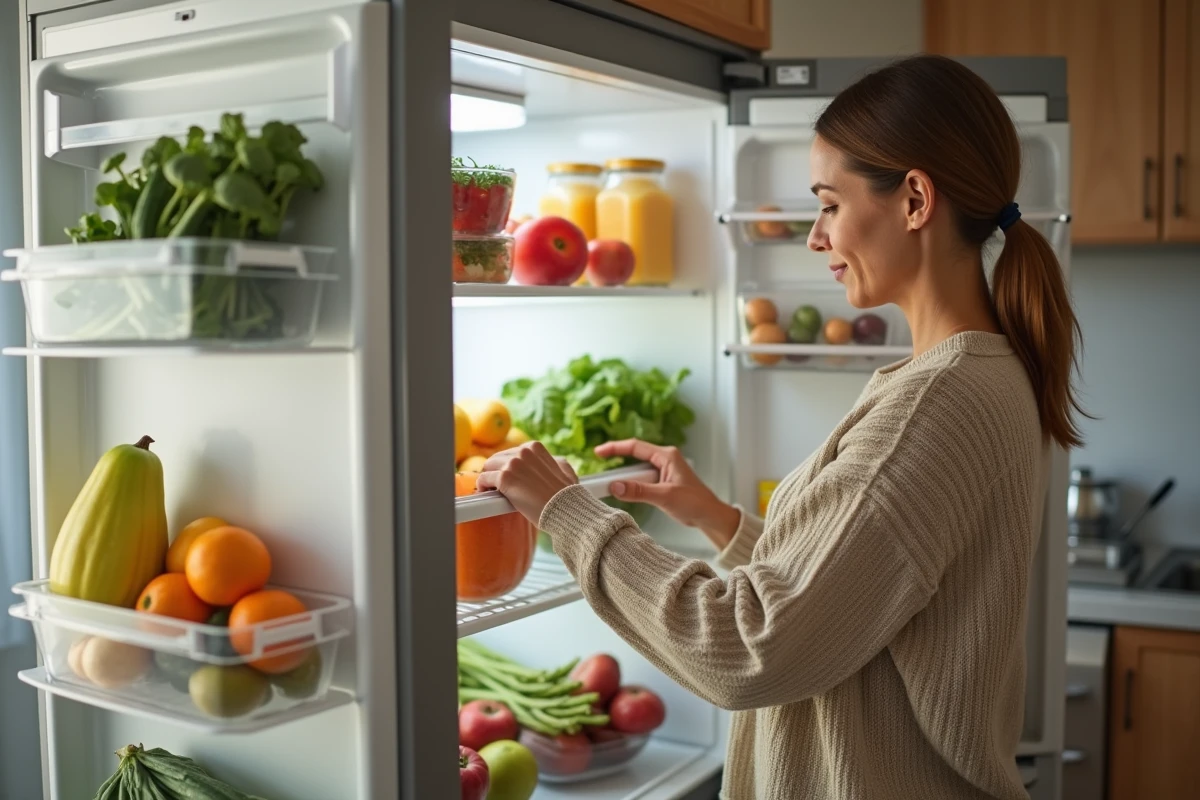
An egg stored at room temperature can lose its freshness twice as fast as an egg placed in the refrigerator. Some fruits continue to ripen after being harvested, while others stop all development once picked. The freezer, often seen as the universal solution against waste, is not suitable for all foods and can alter texture and taste.
Strict rules coexist with exceptions, such as the avocado that prefers open air before reaching maturity, or the potato that fears the cold. Adopting the right practices helps avoid losses and disappointments while preserving flavors and nutritional benefits.
Why properly storing food makes a difference in daily life
Food storage is not just a matter of common sense; it’s a powerful lever that directly impacts health, daily organization, and finances. In France, food waste is becoming a concerning issue, while adopting the right reflexes regarding labels, use-by dates (DLC), and best before dates (DDM) often suffices to avoid losses and risks. Proper storage gives each product a real shelf life and preserves the food safety of all.
The temperature makes a difference: a refrigerator maintained at 4 °C slows down bacterial growth, while poorly adjusted equipment opens the door to problems. Some foods, like meats and fish, require special attention: respect the shelf life mentioned on the packaging, and never compromise on the DLC. For other products, the DDM indicates the limit of taste quality, with no immediate danger after exceeding it.
Modern technologies simplify the task. Vacuum machines, for example, have become essential for optimizing food preservation by limiting contact with oxygen. Having trouble figuring it out? A visit to https://www.jeconserve.fr/ allows you to compare recent models, including the famous “Best Vacuum Machine 2026.”
Here are a few principles to keep in mind that facilitate the management of food items:
- Regularly check updated reviews and recommendations for each type of food.
- Adapt the shelf life according to the nature of the item: yogurt, bread, or a carrot do not keep at the same speed or in the same way.
- Being strict about the use-by date particularly protects sensitive groups, such as children or in collective catering.
Preservation is not a secondary matter: it is one of the pillars that guarantee food safety and respect for what the earth offers us.
What actions to take to preserve freshness and limit food waste?
Wasting less is primarily a matter of organization. To avoid letting anything slip away, always place products with approaching dates at the front of the refrigerator: those you bought first come out first. Simple, but incredibly effective against forgotten items at the back of the shelves.
For proper storage, the quality of containers matters. Glass jars, airtight lids, or vacuum bags make all the difference: they protect flavors, limit exposure to air, and prevent cross-contamination. From plastic wrap to aluminum foil to biodegradable packaging, each option has its place depending on the nature of the food, whether it’s a stew, vegetables, or leftovers to finish.
The temperature must remain under control: 4 °C in the fridge guarantees optimal freshness. Organize the space: prepared dishes in the center, meats and fish at the bottom, where the cold is most consistent. Storing this way avoids risks while extending the life of foods.
To structure storage and enhance efficiency, here are habits to integrate:
- Always indicate the preparation date on your boxes or jars.
- Choose preservation techniques specific to each food.
- Opt for individual portions: fewer openings, less waste.
By implementing these methods, managing shopping and leftovers becomes a well-mastered balancing act, and food waste decreases significantly.

Focus on essential tips for each type of food
Fruits and vegetables: freshness under control
To preserve their crunch and taste, store fruits and vegetables in the designated drawer in the refrigerator. Some, like apples, pears, or bananas, continue to ripen after picking: keep them separate so they don’t accelerate the aging of others. Wrap leafy vegetables in a slightly damp cloth: this helps them stay fresh much longer.
Dairy products and cheeses: vigilance on shelf life
Place dairy products in the center of the fridge, away from the door where temperature fluctuations are frequent. Monitor the use-by date (DLC) or best before date (DDM): they dictate the shelf life. For hard cheeses, prefer suitable packaging or a specific box: this limits mold while maintaining the right humidity.
Meats, fish, and prepared dishes: safety first
Store meats and fish at the very bottom of the refrigerator, where the cold is most intense (between 0 and 2 °C). Consume them quickly, always before the DLC: vigilance is essential, as health risks are very real. For homemade prepared dishes, cool them quickly, then store them in airtight containers. The freezer offers additional respite, but each food has its own limit: consult a preservation guide to avoid unpleasant surprises.
Water and ultra-high temperature products: specific management
Bottled water should be kept away from light and heat. UHT products benefit from long shelf life due to sterilization, but once opened, they must quickly go into the fridge. Respect the best before date to enjoy their qualities and ensure your safety.
Mastering preservation means regaining control over flavors, health, and waste. It’s up to everyone to decide where to set the bar, but who regrets a still-crunchy fruit or a dish that retains its freshness?