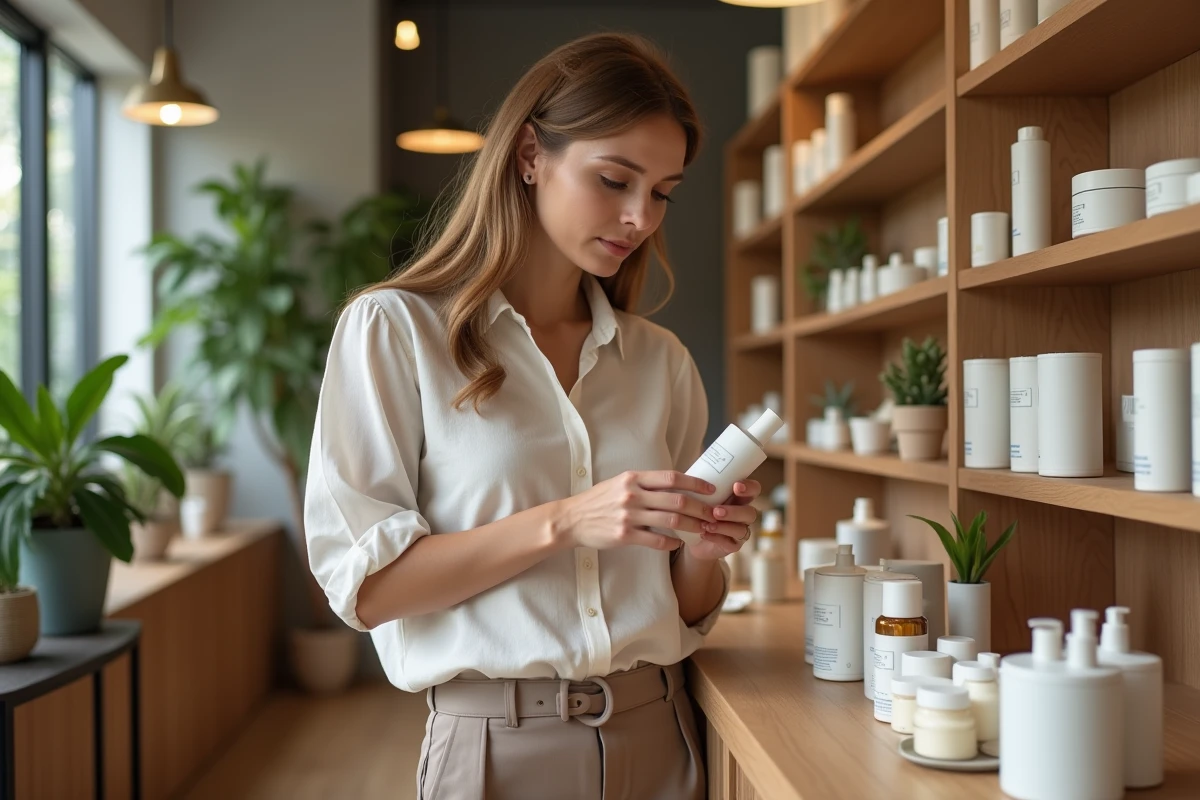
No French cosmetic brand has ever left so many city centers without seeing its market share collapse. While selective distribution multiplies launches, some players are betting on local loyalty and naturalness, without settling for an ethical discourse.
Direct competitors are no longer limited to large retail or parapharmacy. Independent labels, foreign chains, and hybrid brands, often driven by aggressive digital strategies, are shaking up the established balance. The competitive landscape continues to expand, creating new dynamics in the consumption of skincare and beauty products.
The beauty market in full swing: where does Yves Rocher really stand?
The beauty market in France keeps expanding, transforming, and inventing new codes. French cosmetic brands are brimming with fresh ideas, committed messaging, and guarantees on traceability. Yves Rocher, a declared pioneer of made in France and naturalness, has been a strong presence for generations. However, a new reality is taking shape. Consumption patterns are changing, and the perception of beauty is shifting: transparency, ethical consistency, demands on composition, and local manufacturing are drawing a completely different map. Today, standing out requires much more than a broad product range: it’s about embodying a strong vision and speaking to informed customers who are skilled at deciphering formulas and claims.
Yves Rocher’s revenue in France has hovered around 600 million euros for several years, but growth is no longer automatic. The brand, once omnipresent in city centers, must now adapt to multifaceted competition, often more responsive online and driven by dynamic startups. Buyers are paying attention to the composition of products, the proximity of manufacturing, and the sincerity of commitments to the planet. Brands that are succeeding today are not just offering a product; they are providing a genuine conversation with demanding, sometimes expert consumers.
To grasp the extent of this competition, Yves Rocher’s competitors according to Babioles Beauté provide a precise mapping: diversity of profiles, multiple positions in skincare, makeup, and hygiene. Each player must today make their difference heard, rethink their points of contact with the public, adjust their pricing policy, all while preserving the coherence of their universe. Beauty, now, is played out in the subtle balance between performance, accessibility, and responsibility.
Which brands stand out today against Yves Rocher and why do they generate so much interest?
The beauty products sector is buzzing, without respite or acquired certainties. Young brands and established houses are reinventing the codes of facial care and beauty makeup. Their strength? Understanding real-time public expectations, capturing the spirit of the moment, and imposing a renewed aesthetic. Social media accelerates everything: a launch becomes viral, a formula asserts itself as a manifesto.
Buyers are no longer satisfied with promises. They scrutinize provenance, composition, watch for organic labels, and demand a clean beauty free from all superfluous elements. The mention of natural ingredients is no longer just an argument; it is a necessity to meet the quest for a plumped and soothed skin, with clearly felt moisturizing properties. Two priorities emerge: total transparency and proof of effectiveness.
The digitalization of the sector completely redistributes positions. Immediate access, comparisons, spontaneous feedback via platforms, consumers are taking the floor and changing the game. Brands that are thriving are betting on affordable and adjusted prices, without compromising on quality. They invest in listening, personalization, with tailored ranges adapted to each skin profile, each expectation, each story.
Among them, some emphasize certification, others cultivate rarity or customization. All question the conventional model and force Yves Rocher to rethink its approach to innovation, how it addresses its audience, and how it guarantees the sincerity of its commitments.
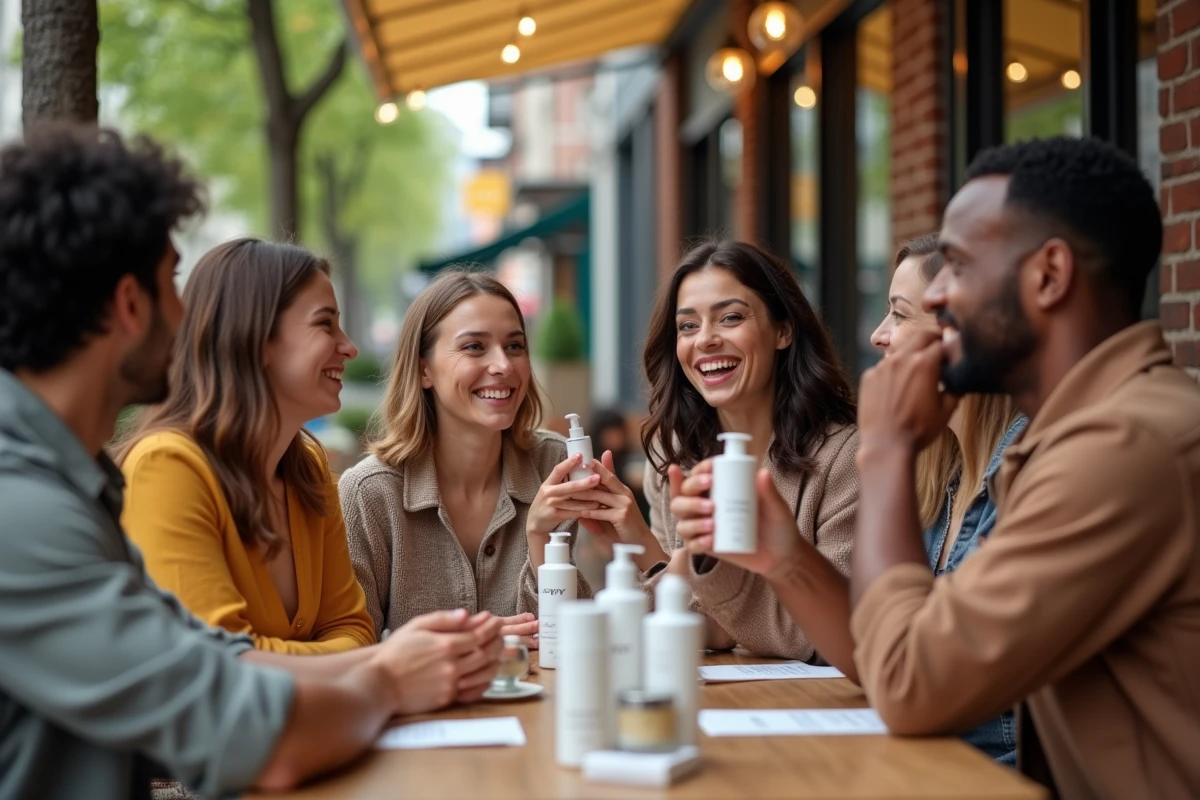
Exploring new alternatives for a beauty routine that reflects you
The selection of facial care is expanding day by day, driven by the demand for a unique beauty routine, tailored to each profile, with no compromises on transparency. The skin, a mirror of lifestyles and aspirations, today demands formulas that are both respectful and innovative. French brands are multiplying initiatives and, above all, making clear choices:
- Rigorous selection of natural ingredients to limit superfluous substances
- Elimination of controversial ingredients to reassure sensitive or demanding skin
- Varied textures, light or concentrated, to meet targeted needs
Innovation goes beyond simple composition. Recycled or recyclable packaging is becoming the norm, reflecting a desire to reduce ecological footprints. Emphasis is also placed on personalization: online skin diagnostics, tailored advice, adjustment of routines according to the season or age. This movement is accompanied by affordable prices, without compromising on quality or research, making a truly customized approach possible, where standard solutions fall short.
The search for moisturizing properties, skin elasticity, and prevention of skin aging is everywhere. Serums with fine textures, melting creams, plumping masks: skincare becomes a daily, almost ritual gesture, where the quest for plumped and radiant skin guides every choice. Brands, more than ever attentive, are pushing the boundaries of innovation by combining biotechnology, cutting-edge plant extracts, and targeted actives. The result: a rich offering that meets increasingly assertive expectations.
In the face of this whirlwind of initiatives, the beauty market continues to reinvent itself, forcing each player to step out of the shadows and double down on creativity. It is impossible to rest on one’s laurels: the next flagship brand could very well emerge tomorrow, where it is least expected.