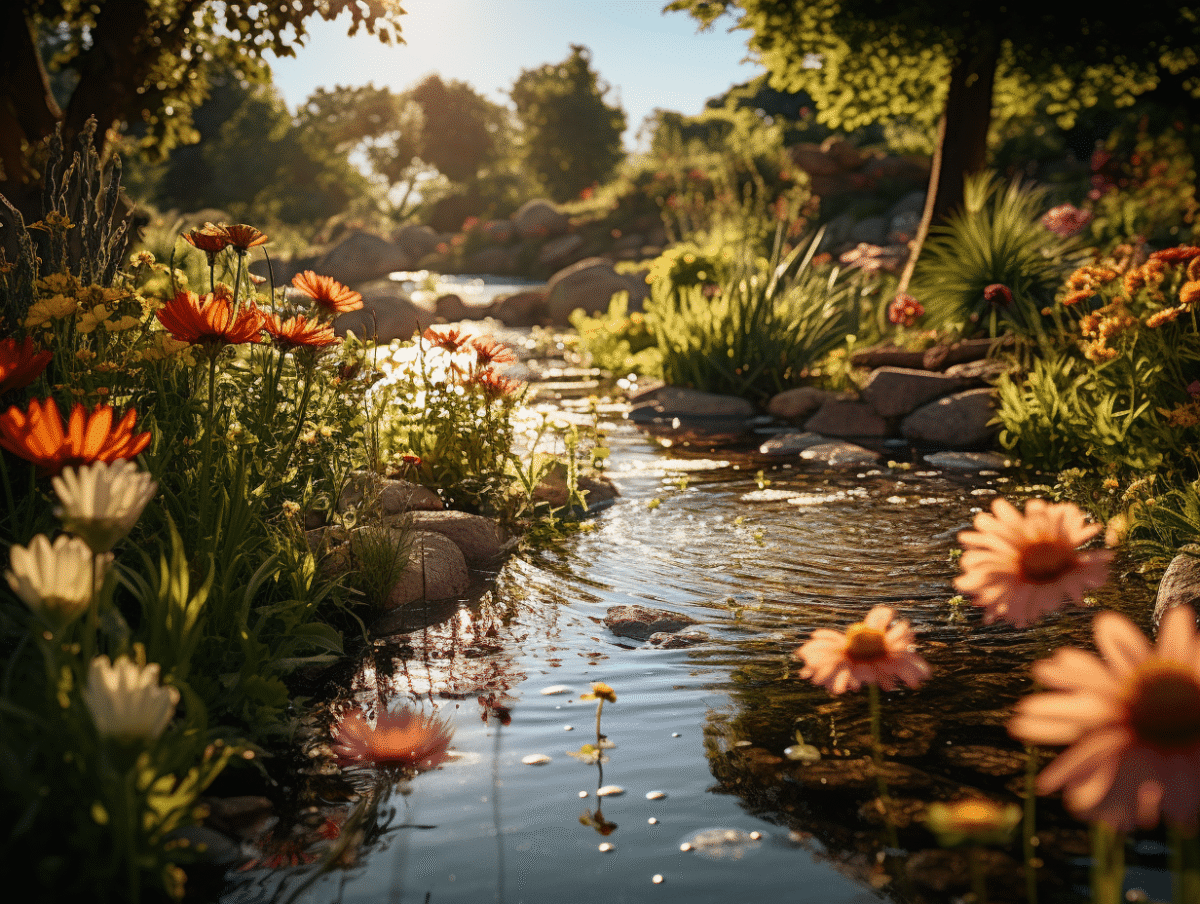
A garden teeming with life is a fascinating sight, but its significance extends far beyond aesthetics. Biodiversity, or the variety of living organisms, plays a crucial role in the ecological health of our green spaces. It contributes to natural balance, pollination, and soil fertility. By promoting a diversity of species, gardeners can create robust ecosystems capable of withstanding diseases, pests, and climate fluctuations. A garden rich in biodiversity is also a haven for wildlife and can become an essential vector in the conservation of local species.
The Ecological Roles of Biodiversity in a Garden
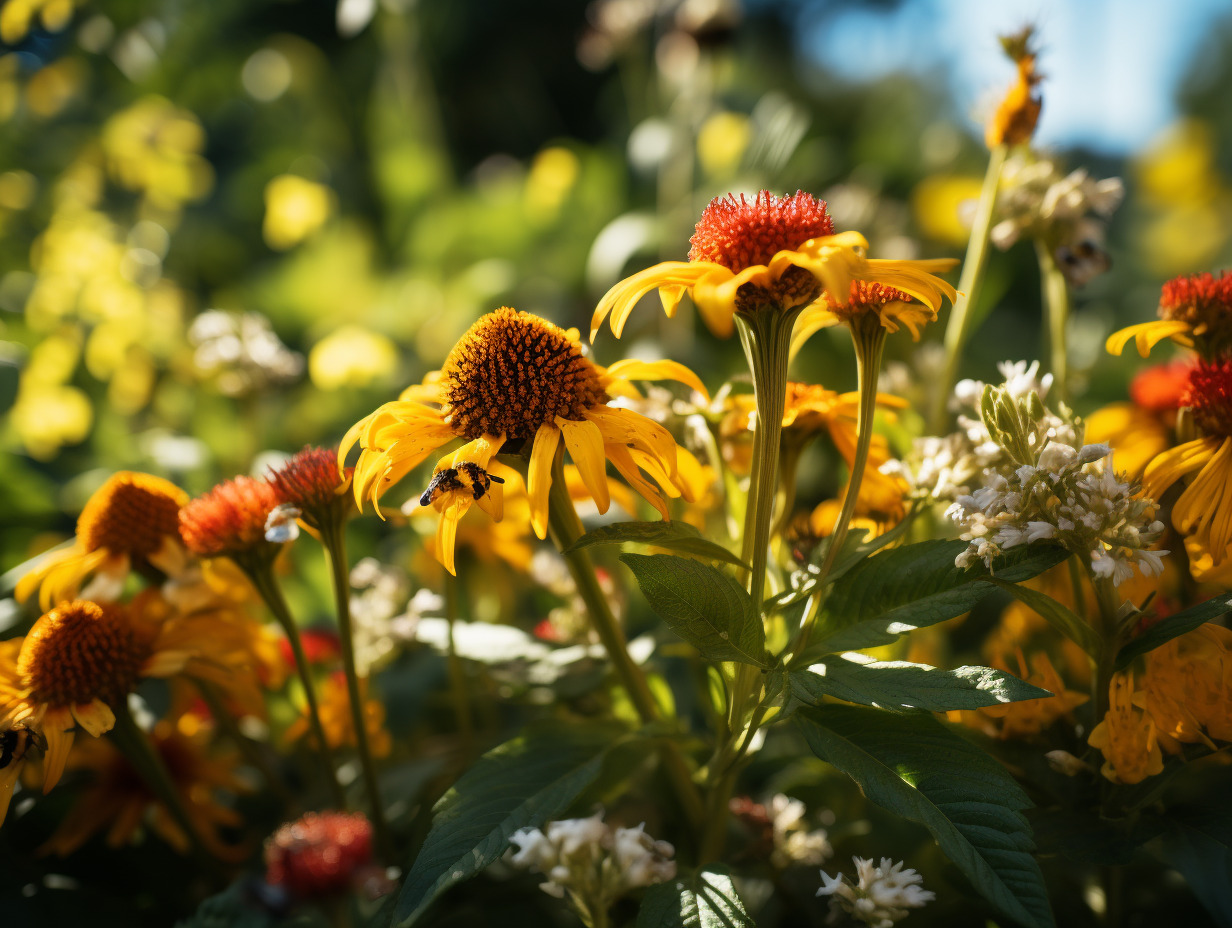
The garden, far from being a mere ornamentation of human living space, stands as a bastion of biodiversity. It is characterized not only by the diversity of species it hosts but also by the ecological functions it supports. The joint presence of wildlife and flora, particularly native plants, is fundamental for natural balance. These indigenous species, adapted to the local environment, attract and nourish a variety of birds and pollinating insects, which in turn participate in seed dispersal and plant fertilization, thus ensuring their reproduction and dissemination.
The integration of hedges and areas of unmowed grass in garden design allows for the creation of diverse habitats for wildlife. These structural elements are crucial for providing shelter and food to many insects, mammals, and other living organisms, thereby contributing to the richness of the ecosystem. A garden can transform into a true refuge for biodiversity, where every organism, from the smallest insect to discreet mammals, finds its place and plays a role in the perpetuation of species.
The site Envies-de-jardin.com emphasizes that for the garden to effectively host this biodiversity, ecological practices are necessary. Be cautious with the use of chemicals and prioritize natural fertilizers and biological pest control methods. The informed gardener knows that every action counts in maintaining and encouraging biodiversity in their garden, resulting in a healthier environment for all living beings that share it.
Practical Strategies to Promote Biodiversity Daily
For the garden to effectively host biodiversity, certain practices are essential. The use of chemical products should give way to natural alternatives. Avoid pesticides and herbicides that, despite their immediate effectiveness against pests and weeds, prove devastating for native wildlife and flora. Favor biological control, which involves introducing natural predators of harmful species, and mulching, which limits the growth of weeds while enriching the soil.
Creating shelters for animals is another lever to promote wildlife in gardens. Birdhouses, insect hotels, or piles of wood for small mammals and amphibians, each structure invites beneficial species to settle, which in turn will contribute to the ecological balance of your green space. The establishment of a natural pond can radically transform the biodiversity of a garden, attracting a variety of aquatic species and providing a water source for surrounding wildlife.
Consider the impact of light pollution and noise pollution on local wildlife. Minimize nighttime lighting, which disorients pollinating insects and disrupts the life cycles of nocturnal animals. Also limit noise, which can affect communication among animals, essential for their reproduction and survival. Responsible management of your pets, especially cats, can prevent excessive predation on wild animals. Thus, integrate conscious practices to preserve harmony between domestic and wild species, ensuring the sustainability of this miniature ecosystem.