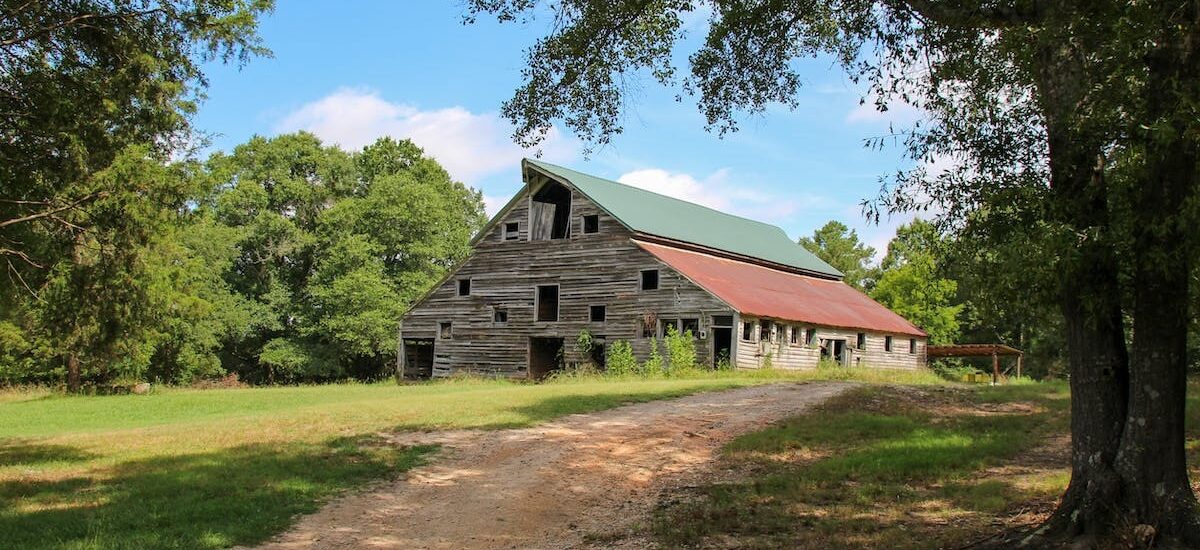
In the world of real estate, barns for sale are a particularly unique category. These structures can be hidden treasures, offering both generous space and rustic charm. Estimating their value can prove to be a challenge. The appraisal method is different from that used for other real estate properties. It depends on many factors, such as location, the condition of the barn, size, and of course, the potential for conversion into residential housing. Be sure to understand these factors to accurately estimate the selling price of a barn.
Origins of the barn: an ancestral agricultural structure
The origins of the barn as a farm structure are deeply rooted in rural history. In the past, these vast buildings represented the productive heart of farmers who used them to store crops and house livestock. Barns were designed to be functional with one priority: to provide ample storage space for foodstuffs such as hay or grains.
Today, the use of barns has evolved and diversified over time. Many farmers are modernizing these structures to adapt their operations to the new demands of the agricultural sector. It is also not uncommon to see some barns converted into multifunctional spaces capable of hosting social events or even commercial activities ancillary to the main agricultural operation.
However, estimating the value of such infrastructure can be complex due to multiple factors to consider during this financial assessment. The total size will play a predominant role, but also its general condition as well as its individual characteristics such as ceiling height or the potential presence of additional features like a finished attic or a wine cellar, for example.
A crucial element not to overlook when it comes to estimation is the price per square meter for agricultural barns generally applied in the region relevant to your rural real estate project. This figure will then allow for a concrete comparison with other similar properties for sale on the local market.
It is essential to note that there are different types of barns, each distinguished by its own architectural and functional particularities. In short, the price per square meter for agricultural barns will inevitably be impacted by these specificities, making the property for sale a unique asset in the rural real estate landscape.
The evolution of barns: changing uses
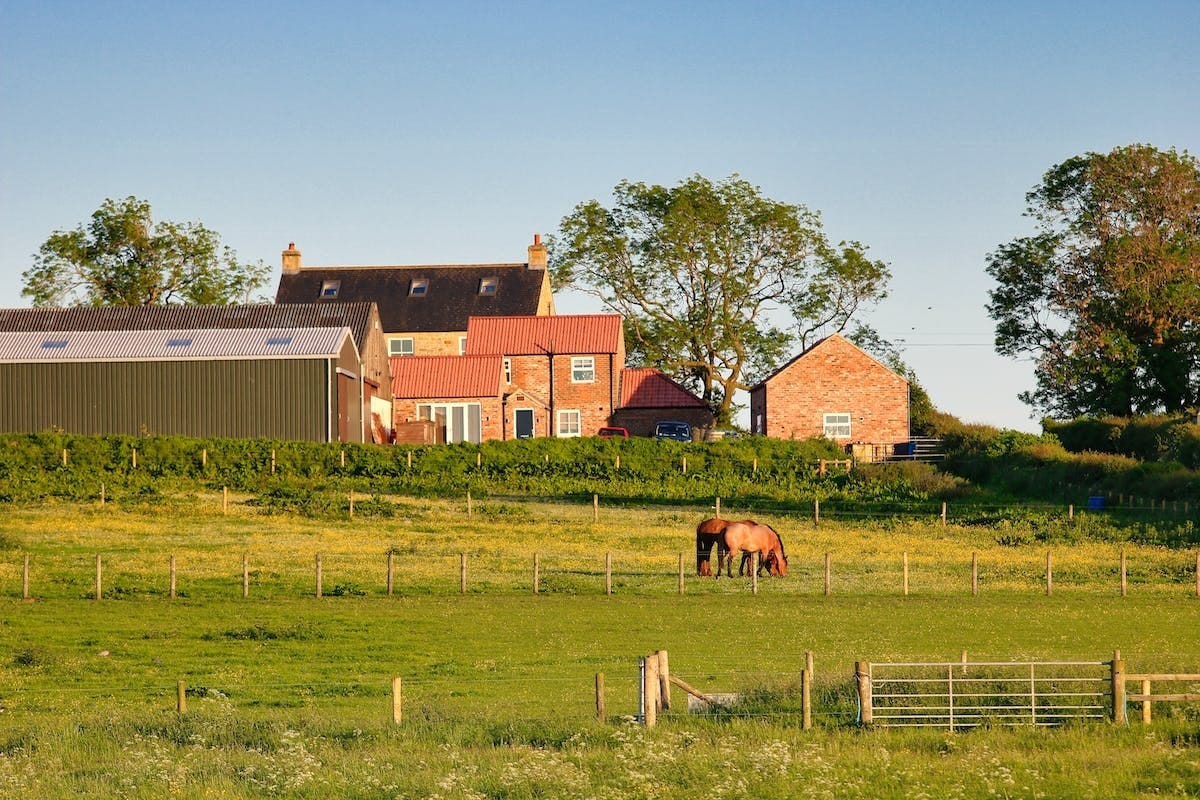
Over time, the use of barns has undergone a remarkable evolution. Once exclusively dedicated to agricultural needs, these structures have transformed into true living spaces and venues for various activities. Owners have become aware of the untapped potential of these buildings and have managed to redesign them to meet their current needs.
In a world where preserving our architectural heritage is paramount, many choose to restore old barns to create modernized homes while retaining their original charm. These conversions thus help preserve the historical character of the places while offering a unique and picturesque residential environment.
Some barns have also been given a new function within a professional or commercial activity. Nowadays, one can find barns used as artist studios, exhibition galleries, or even coworking spaces. These conversions not only demonstrate the creative potential offered by these buildings but also their adaptability to different types of uses.
Technological evolution has also played a major role in the use of barns over time. With the advent of renewable energies, some barns have been equipped with solar panels or wind turbines to produce their own green energy. This transition towards a more environmentally friendly use reflects the growing awareness of the need for a sustainable lifestyle.
Some barns have become multifunctional spaces that can host social, cultural, or sporting events. These venues offer a unique and authentic atmosphere that appeals to both organizers and participants. Renovated barns are thus used for weddings, concerts, art exhibitions, or even sporting competitions. This diversification of use allows owners to monetize their investment while preserving the history and character of the building.
The use of barns has significantly evolved over time. From simple agricultural structures intended to store crops and shelter livestock, they have transformed into multifunctional spaces adapted to current needs. Whether for living, working, or organizing various events, barns today offer a multitude of possibilities.
However, you must note that estimating the price of a barn remains a complex exercise that will depend on many factors such as geographical location, size, and the general condition of the building. It is therefore recommended to consult a real estate expert specialized in this type of property to obtain an accurate and reliable estimate before any real estate transaction.
Estimating the price of a barn: criteria to consider
The estimation of the price of a barn for sale is a delicate task that requires a meticulous analysis of various criteria. Indeed, several elements must be taken into account to best assess the market value of this type of real estate.
The geographical location plays a crucial role in estimating the price of a barn. Attractive and dynamic regions will naturally be more sought after, which will have a direct impact on the amount requested by sellers. Similarly, the proximity to amenities such as shops, public transport, or medical facilities can significantly influence the final price.
Consider the living area of the barn. The larger and more usable it is, the more its value will potentially increase. Other factors such as the number of floors and ceiling height can also influence the financial evaluation.
The general condition of the building is also crucial when it comes to estimating its price. A barn requiring little to no renovation will logically be valued higher than another with significant structural defects or costly repairs needed. The existence of certifications attesting to compliance with environmental standards (BBC Effinergie, RT 20, or heritage labels such as ‘Monument Historique’) can also positively impact the asking price.
Consider the amenities and equipment present in the barn. A quality renovation with high-end materials, an equipped kitchen, or the presence of a fireplace can increase its value.
If the barn has outdoor spaces such as a private garden or a landscaped courtyard, this can also positively influence its price. Indeed, these spaces offer additional potential in terms of use and add aesthetic value to the overall property.
Do not overlook the local real estate market and its fluctuations. The demand and supply in the sector where the barn is located will have a direct impact on its selling price. A thorough market analysis is necessary to establish a realistic estimate.
It should be emphasized that each barn has its own specificities that may require a personalized evaluation to arrive at an accurate estimate. In this case, it is recommended to consult a professional such as a specialized real estate agent or an expert in real estate appraisals.
Types of barns: decoding the specificities
When talking about barns, you should note that there are different types with their own specificities. This can have a significant impact on the price estimation.
We find traditional barns, often located in rural areas. These typical buildings feature a rustic and authentic architecture that can appeal to lovers of old-world charm. The materials used, such as stone or wood, as well as old architectural elements can positively influence the value of these barns.
There are also renovated barns. These are properties that have undergone a complete rehabilitation to create modern living spaces while preserving their initial character. These barns often offer a harmonious combination of the old and the contemporary, which can attract a broader clientele and potentially increase their value.
The barns to be converted also constitute a distinct category. These are buildings that still require work to be habitable or usable according to the needs of future buyers. Although these barns may seem less attractive at first glance, they nonetheless offer interesting potential for those seeking a customizable real estate project.
We must mention barn conversions, particularly popular in some Anglo-Saxon countries like the United Kingdom or the United States. These are barns transformed into modern and luxurious residences, often retaining original architectural elements such as exposed beams or large glass openings. These conversions generally offer spacious areas with a unique charm, which can positively influence their value.
There are also barns for agricultural use. Unlike the other types mentioned previously, these barns are primarily intended to house livestock or store agricultural equipment. Their estimation is generally based on their general condition, storage capacity, and specific arrangements necessary to meet agricultural needs.
For the estimation of a barn for sale, it is important to consider its type and particular specificities. Each category has its own characteristics that can influence the price requested by sellers and the potential interest of buyers. Consulting a real estate expert specialized in barn sales is recommended to obtain an accurate and objective evaluation.
External factors that impact the value of a barn
When it comes to estimating the value of a barn for sale, it is essential to consider the external factors that can influence its price. These external elements play a key role in the real estate market and must be taken into account during the evaluation.
The geographical location is a determining criterion for evaluating a barn. Indeed, some regions are more sought after than others and can thus have a significant impact on the price requested by sellers. For example, a barn located near urban or tourist areas will tend to be valued higher than a barn isolated in rural areas.
Similarly, the proximity to amenities can play an essential role in establishing the price. A barn close to facilities such as schools, supermarkets, or public transport will be perceived as more convenient and therefore potentially more attractive to potential buyers.
Another external factor that influences the value of a barn is the natural environment. Characteristics of the surrounding landscape, such as a panoramic view of a mountain or a lake, can add additional value to the property. Similarly, nearby green spaces or easy access to outdoor activities are all criteria that can increase the asking price.
Do not overlook the general condition of the real estate market. Economic fluctuations and market trends can influence demand and therefore the price of barns for sale. For example, during a period of high demand, prices will tend to rise, while during an economic crisis, they may decrease.
Local supply and demand also play a crucial role in estimating the price of barns for sale. If supply is limited in a given area while demand is high, this can lead to a price increase. Conversely, if supply far exceeds demand in the local market, there may be downward pressure on prices.
To accurately estimate the price of a barn for sale, it is necessary to take into account the external factors such as geographical location, proximity to amenities, and the natural environment, as well as the conditions of the local real estate market. Consulting a real estate agent specialized in this type of property may be necessary to obtain an accurate and reliable estimate that reflects these crucial external elements.
Negotiating the price of a barn: wise tips for success
Once you have an estimate of the price of a barn, it is time to move on to the crucial step of negotiation. Here are some tips to successfully navigate this stage and achieve the best possible price.
Conduct thorough research on the local real estate market. Gather information on recent prices of similar properties in the area to have a clear idea of the realistic price range to aim for during your negotiation. This will also help you argue your own requests with concrete data.
Take into account the general condition of the barn when discussing the price with the seller. If major renovations are needed to restore the property, this can be a strong point in your argument for obtaining a significant reduction in the initial price.
Be ready to leverage the other external factors mentioned earlier when it comes to negotiating the price of a barn. Highlight geographical advantages such as proximity to amenities or nearby natural attractions that may justify a higher value.
Remain calm and professional throughout the discussions to establish a constructive relationship with the seller. Avoid any aggressive or arrogant language that could jeopardize your chances of reaching a satisfactory agreement.
Do not hesitate to consider different options such as offering full or partial cash payment, which can sometimes encourage the seller to accept a lower offer. Also consider negotiating other terms such as the closing date or contract terms to make your proposal more attractive.
Do not rush and be ready to haggle. The negotiation is a process that often requires time and several back-and-forth exchanges between the parties involved. Be prepared to adjust your expectations while keeping in mind the goal of reaching a satisfactory agreement for all parties involved.
Successfully negotiating the price of a barn requires careful preparation, thorough research, and a good dose of patience. Keep these tips in mind during your discussions with the seller to achieve the best possible price while respecting the parameters of the local real estate market.